FDA Accepts Delgocitinib Cream for Pediatric Chronic Hand Eczema: What Parents Need to Know
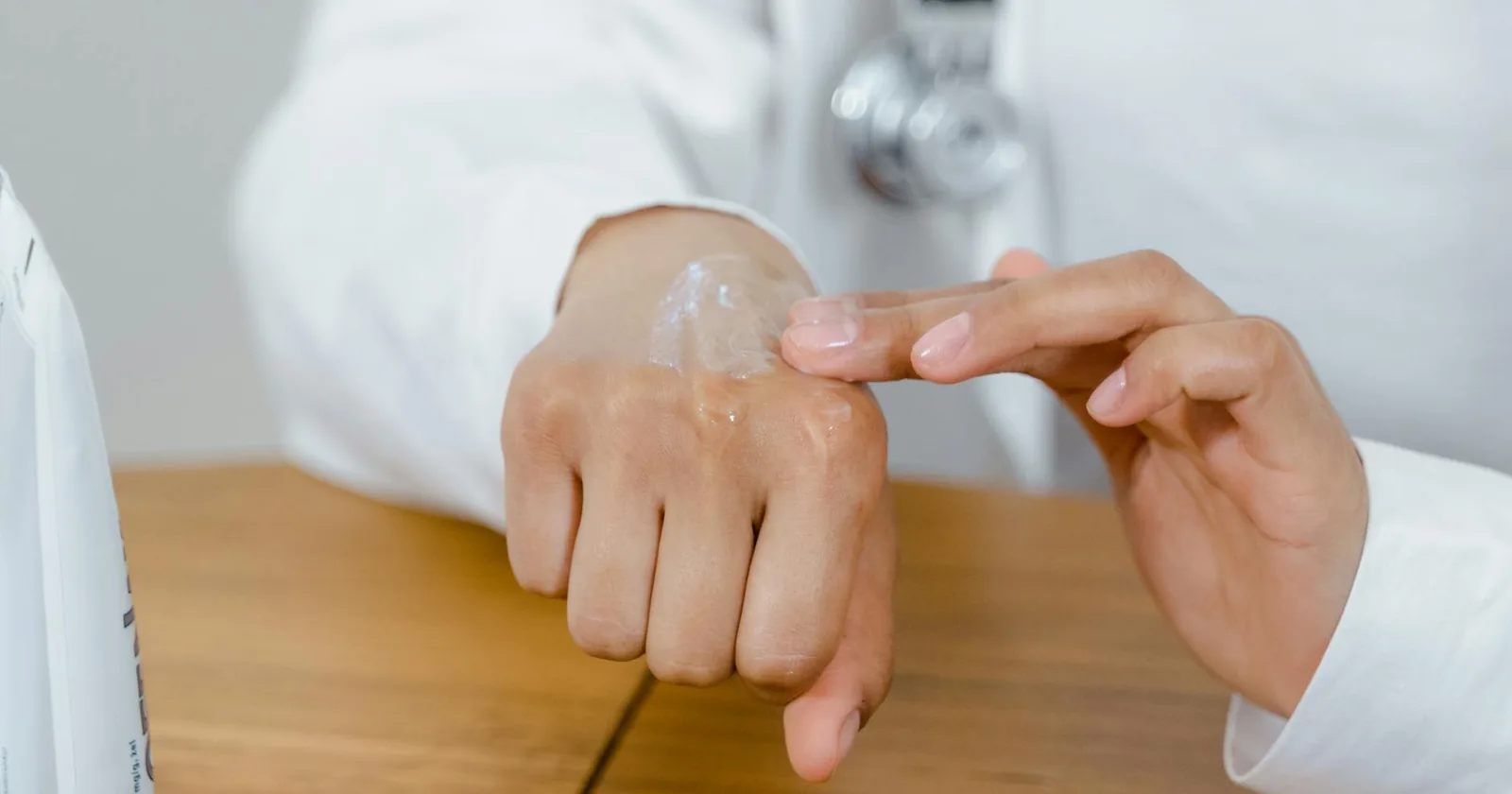
In April 2026, the U.S. Food and Drug Administration accepted a supplemental new drug application (sNDA) for delgocitinib cream as a treatment for chronic hand eczema in pediatric patients. For parents who have watched a child struggle with cracked, raw, and painful hands that never quite heal, the news is a meaningful step. It does not mean the cream is on the shelf yet, but it does mean a topical option already used in adults is moving formally through the agency’s review for younger patients.
If you have not heard of delgocitinib before, you are not alone. The drug belongs to a newer class of topical medicines called pan-Janus kinase (pan-JAK) inhibitors, and it works differently from the corticosteroids and calcineurin inhibitors most families know. This article walks through what chronic hand eczema looks like in children, how a topical JAK inhibitor works, where delgocitinib might fit in alongside the treatments you already use, and what an sNDA acceptance actually changes for availability.
What chronic hand eczema looks like in a child
Chronic hand eczema is more than the occasional rough patch. The American Academy of Dermatology defines it as eczema on the hands that lasts longer than three months or returns at least twice within a year despite treatment. In children, it often shows up on the backs of the hands, around the fingers, and on the palms, and it tends to coexist with atopic dermatitis elsewhere on the body.
Symptoms are visible and disruptive. Skin cracks, peels, and oozes. Children scratch through the night, wake unrested, and struggle to grip a pencil or button a shirt without pain. Frequent handwashing at school, swimming pool chlorine, and winter cold can each set off a fresh flare. Because the hands are constantly in use and almost impossible to bandage, the condition is also one of the hardest forms of eczema to keep under control.
Standard care today leans heavily on a few tools. Frequent emollient use to repair the skin barrier, mid- to high-potency topical corticosteroids during flares, and topical calcineurin inhibitors (tacrolimus or pimecrolimus) for maintenance or for areas where steroids are not ideal. For severe cases, dermatologists may add phototherapy or systemic medications such as dupilumab. Even with all of this, some children continue to flare, and parents are often searching for a next option that is gentler than long-term steroids.
How delgocitinib works
Delgocitinib is a topical pan-JAK inhibitor. To understand why that matters, it helps to know a little about the JAK-STAT signaling pathway, which sits at the center of the immune dysregulation that drives atopic skin.
When inflammation kicks off in eczema-prone skin, immune cells release a set of signaling proteins called cytokines. In atopic dermatitis these include interleukin-4, interleukin-5, interleukin-13, interleukin-31, and thymic stromal lymphopoietin. Each of these cytokines binds to a receptor on the surface of skin and immune cells, and that receptor uses Janus kinase enzymes (JAK1, JAK2, JAK3, and TYK2) to pass the signal inward. The signal ultimately tells the cell to ramp up inflammation, weaken the skin barrier, and fire the nerve endings that produce itch.
A pan-JAK inhibitor blocks all four of those kinases. By turning the volume down at this shared chokepoint, delgocitinib quiets the cytokine signals responsible for redness, swelling, barrier breakdown, and itch all at once. Because it is delivered as a cream rather than a pill, the medicine acts on the skin where it is applied and reaches very little of the bloodstream, which is the main reason topical JAK inhibitors carry a much lighter side-effect profile than oral ones.
Delgocitinib is not brand new globally. An ointment formulation has been approved in Japan for several years, and is used there in both pediatric and adult atopic dermatitis. The cream version that is now under FDA review for pediatric chronic hand eczema in the U.S. is the same molecule in a vehicle better suited for thick, fissured hand skin.
Where delgocitinib fits alongside steroids and calcineurin inhibitors
Parents often ask whether a new medication replaces what their child is already using. In the case of delgocitinib, the more accurate framing is that it gives dermatologists another tool in the rotation. A few practical comparisons:
- Topical corticosteroids remain the fastest way to calm a moderate to severe flare. They are inexpensive and widely understood, but long-term use on thin or sensitive skin can cause atrophy, stretch marks, and rebound flares when stopped. Hands tolerate steroids better than the face, but parents still tend to want to limit chronic use.
- Calcineurin inhibitors (tacrolimus 0.03% and 0.1%, pimecrolimus 1%) are steroid-sparing options approved for ages two and up. They sting for many children during the first week, and they carry a boxed warning that has been debated for years.
- Topical PDE4 inhibitors such as crisaborole are another non-steroidal option, often used for mild to moderate disease.
- Topical JAK inhibitors such as ruxolitinib (already FDA-approved for mild to moderate atopic dermatitis in patients 12 and older) and now potentially delgocitinib for pediatric hand eczema, address itch quickly and target the same inflammatory pathway as the newer biologic drugs, without the systemic exposure.
The most likely real-world use of delgocitinib cream, once approved, is as a non-steroid maintenance and flare option for hands that keep relapsing despite a good emollient routine. It probably will not replace a strong cortisone cream for a severe acute flare, but it gives families a way to avoid putting steroids on those hands month after month.
What sNDA acceptance actually means
This part is worth slowing down on, because “FDA accepts application” headlines are often misread as “FDA approves drug.”
An sNDA is a supplemental new drug application. The manufacturer (LEO Pharma, in this case) is asking the FDA to extend an existing or pending approval to a new population, in this case children with chronic hand eczema. Acceptance simply means the FDA has confirmed the submission is complete enough for formal review. The agency then sets a target decision date, typically about ten months later for a standard review, or six months for a priority review.
So a realistic timeline reads more like this: the FDA will review safety and efficacy data from the pediatric clinical trial program, may convene an advisory committee, and will issue a decision by its target date. If approved, the manufacturer then prepares for commercial launch, which usually adds another quarter or two before retail and specialty pharmacies can fill a prescription. Insurance coverage, prior authorization requirements, and pediatric labeling will all follow.
In the meantime, the cream is not available for off-label use in U.S. children, and dermatologists cannot prescribe it before approval. Families who hope to access it sooner can ask their child’s specialist whether enrolling in a clinical trial or expanded access program is an option.
What parents can do now

Until delgocitinib is available, the foundation of pediatric hand eczema care does not change. A few practical steps:
- Double down on barrier repair. Apply a thick, fragrance-free emollient (ointment or cream) to your child’s hands several times a day, especially within three minutes of handwashing.
- Cut down on irritants. Use gentle, fragrance-free hand cleansers, lukewarm water, and soft cotton towels for patting dry rather than rubbing.
- Track triggers. Keep a short flare diary noting soaps, art supplies, foods, and seasons. Patterns become clear quickly.
- Loop in your dermatologist about the news. If your child has been on long-term topical steroids for hand eczema, ask whether ruxolitinib cream (already approved for adolescents 12 and older with atopic dermatitis) or other non-steroidal options could bridge the gap until delgocitinib’s pediatric decision date.
- Watch for infection. Cracked, weeping hand skin is vulnerable to bacterial infection. Increasing redness, warmth, yellow crusting, or fever warrants urgent medical attention.
The sNDA acceptance is a hopeful headline, not a finish line. But it confirms that pediatric chronic hand eczema is finally getting the targeted, lower-risk topical research it has long deserved, and a new option for children is closer than it has been in a decade.
If your child has stubborn hand eczema, the most useful thing you can do this month is book a check-in with a board-certified pediatric dermatologist. Bring photos of flares, a list of every product currently in rotation, and your questions about emerging options. Your dermatologist can help you decide whether to optimize what is already working or to consider stepping up to one of the newer, targeted approaches.
Further reading (sources)
- Dermatology Times on the FDA’s acceptance of the delgocitinib pediatric sNDA
- Journal of Allergy and Clinical Immunology for a clinical review of JAK inhibitors in atopic dermatitis
- Frontiers in Immunology with an updated review of JAK-STAT signaling in atopic dermatitis
- National Eczema Association on chronic hand eczema in children and treatment basics
- American Academy of Dermatology for pediatric eczema treatment guidance
Feature photo by Tima Miroshnichenko on Pexels.